

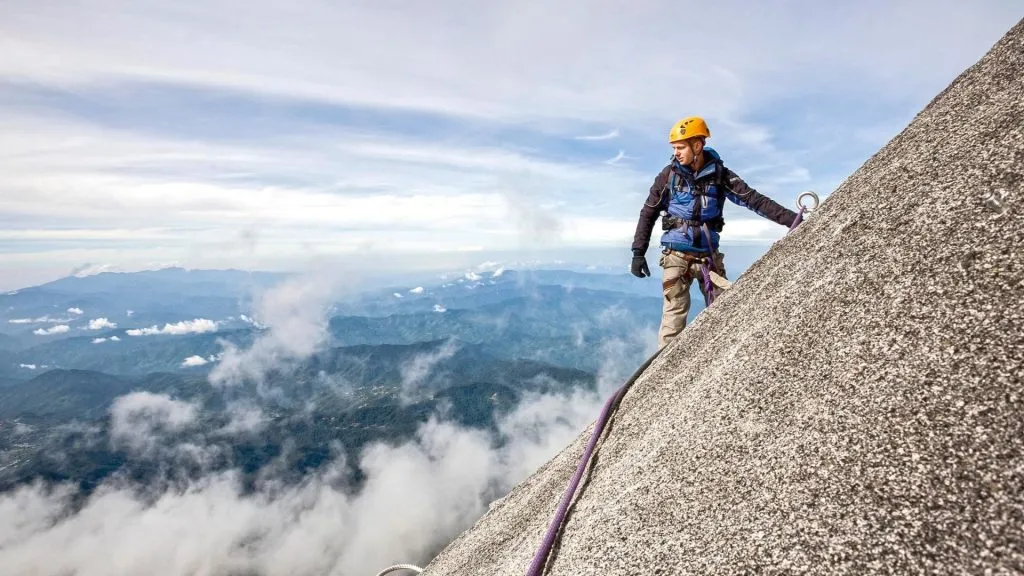
The human spirit has always been drawn to the periphery of the known world. From the frozen reaches of the Antarctic to the arid expanses of the Saharan dunes, the allure of the extreme is a powerful driver of human endeavor. However, adventure in these environments is not merely a matter of physical displacement. It is a profound psychological and physiological transformation. Extreme conditions do not just provide a backdrop for adventure; they actively shape the architecture of the experience, stripping away the layers of modern comfort to reveal the core of human resilience.
In the context of modern travel and exploration, the term extreme refers to environments that exist outside the normal range of human tolerance. These are places where the margin for error is razor-thin and where the elements dictate the terms of survival. To engage with such conditions is to enter into a high-stakes dialogue with nature, one that redefines a persons understanding of time, self, and the environment.
The Physiological Crucible
When an adventurer enters an extreme environment, the body is the first to respond. Whether it is the thin air of a high-altitude peak or the bone-chilling cold of a polar plateau, the physiological stress is immediate and unrelenting. This physical tax is a fundamental component of the adventure experience.
In high-altitude mountaineering, for instance, the reduction in partial pressure of oxygen triggers a cascade of adaptations. The heart rate increases, the blood thickens, and every breath becomes a conscious effort. This state of constant physiological struggle creates a heightened sense of presence. When every step requires a calculated expenditure of energy, the mind cannot afford to wander. This forced mindfulness is one of the primary reasons why extreme adventures are often described as meditative or even spiritual.
Similarly, in extreme heat, the body’s cooling mechanisms are pushed to their limits. The relentless sun of a desert trek forces a rhythmic, disciplined approach to movement and hydration. The physical suffering becomes a metric of progress. In these moments, the adventure is no longer about reaching a destination; it is about the mastery of the physical self in the face of environmental hostility.
Psychological Resilience and the Flow State
Beyond the physical, extreme conditions exert a unique pressure on the human psyche. Psychologists have long studied the concept of flow—a state of total immersion in an activity where time seems to disappear. Extreme conditions are the ultimate catalysts for flow because they demand absolute focus. In a high-stakes environment, the consequences of a lapse in concentration are too great to permit distraction.
The psychological shaping of an adventure often follows a predictable arc of stress and recovery. Initially, the extremity of the environment may trigger a fight-or-flight response. However, as the adventurer adapts, this stress evolves into a state of hyper-awareness. This is often referred to as the edge effect. By operating at the edge of their capabilities, individuals experience a profound sense of agency and competence.
Furthermore, extreme conditions foster a unique form of mental clarity. In the wilderness, the complexities of modern life—emails, social obligations, and digital noise—are replaced by primary concerns: shelter, warmth, and navigation. This radical simplification of purpose acts as a psychological reset, allowing adventurers to return to civilization with a renewed perspective on what truly matters.
The Role of Gear and Human Ingenuity
The relationship between the adventurer and their equipment is intensified by extreme conditions. In a temperate forest, a tent is a convenience; in a sub-zero blizzard, it is a life-support system. This dependency creates a deep appreciation for human ingenuity and the evolution of technology.
Experience-driven adventure in the modern age often revolves around the mastery of specialized gear. Learning to manage a dry suit in Arctic waters or navigating with a high-precision GPS in a featureless desert adds a layer of technical satisfaction to the journey. The gear becomes an extension of the self, a bridge between human vulnerability and the harshness of the environment.
However, extreme conditions also teach the limits of technology. No matter how advanced the equipment, nature retains the final word. This realization humbles the adventurer, reinforcing a sense of respect for the natural world that is often lost in urban settings. The experience is shaped by this tension between human capability and environmental omnipotence.
Social Bonding in the Face of Adversity
Adventure is rarely a purely solitary pursuit, and even when it is, the shared experience of extreme conditions creates a powerful sense of community. Adversity is a social glue. When a group of explorers faces a common threat—such as a sudden storm or a difficult river crossing—the social hierarchies of the outside world dissolve.
In these environments, communication must be clear, concise, and honest. There is no room for ego when safety depends on collective action. This leads to the development of deep, authentic bonds that are difficult to replicate in everyday life. The shared memory of overcoming a difficult situation creates a lifelong connection between participants. For many, the social experience of mutual reliance is the most enduring takeaway from an extreme adventure.
Environmental Connection and Stewardship
Perhaps the most significant way extreme conditions shape an adventure is by fostering a deep, visceral connection to the Earth. Most people experience nature through a screened or manicured lens. In extreme environments, nature is raw and indifferent.
This indifference is not a negative quality; rather, it provides a sense of perspective. Standing on a glacier that has existed for millennia or looking across a desert that was once an ocean floor reminds the adventurer of their smallness in the grand scale of geological time. This shift in perspective often translates into a powerful commitment to environmental stewardship. Having witnessed the beauty and fragility of these remote places firsthand, adventurers often become the most vocal advocates for their protection.
The Aesthetic of Extremity
Finally, extreme conditions offer a unique aesthetic experience. The visual language of the extreme is one of stark contrasts and dramatic scales. The way light hits the ice in the high Arctic or the patterns formed by wind-blown sand in the Namib Desert provides a sensory richness that is both alien and beautiful.
This aesthetic is not just about sight; it is about sound and silence. The absolute silence of a remote wilderness, broken only by the sound of ones own heartbeat, is an experience that stays with a person long after they have returned home. These sensory inputs shape the memory of the adventure, turning a physical journey into a series of vivid, indelible impressions.
Conclusion
The rise of experience-driven travel has seen an increasing number of people seeking out the worlds most challenging environments. While the physical risks are real, the rewards are equally profound. Extreme conditions act as a forge, shaping the adventure through physiological challenge, psychological focus, and social cohesion. By stepping into the extreme, we do not just see the world; we test the very limits of our humanity. The conditions do not merely change the trip; they change the traveler.
Frequently Asked Questions
What defines a condition as extreme for the average adventurer?
An extreme condition is typically defined by environmental factors that fall outside the physiological comfort zone of humans. This includes temperatures below freezing or above 100 degrees Fahrenheit, altitudes above 8,000 feet where oxygen is limited, or remote locations where self-sufficiency is mandatory due to a lack of infrastructure.
How do adventurers prepare for the psychological toll of isolation?
Preparation involves mental resilience training, such as mindfulness, stress inoculation, and scenario planning. Adventurers often practice graduated exposure, starting with shorter trips to build confidence. Understanding the stages of isolation and having clear daily routines helps maintain mental stability in lonely environments.
Is it possible to find extreme conditions in urban or accessible areas?
While true extremity usually implies remoteness, certain adventures like urban exploration in abandoned industrial sites or ultra-marathons in high-heat city environments can mimic some of the stress. However, the lack of immediate rescue and the raw power of natural elements are what truly define the traditional extreme adventure.
How has climate change altered the landscape of extreme adventure?
Climate change has made extreme environments more unpredictable. Glaciers are receding, making traditional climbing routes more dangerous due to rockfalls. Arctic ice is thinner, complicating polar expeditions. This unpredictability adds a new layer of risk assessment and requires adventurers to be even more adaptable and environmentally conscious.
What is the difference between risk and hazard in extreme environments?
A hazard is a potential source of harm, such as a crevasse or a heatwave. Risk is the likelihood that a person will be harmed by that hazard. Shaping a successful adventure involves identifying hazards and implementing strategies to minimize risk, such as using proper safety gear, timing movements, and having a backup plan.
Why do some people seek extreme conditions while others find them terrifying?
This often comes down to individual personality traits, specifically sensation seeking and a high tolerance for ambiguity. For some, the thrill of overcoming a challenge and the chemical reward of dopamine and adrenaline outweigh the fear. For others, the lack of control in these environments is a source of distress rather than excitement.
What is the most common mistake made in extreme adventure planning?
Underestimating the environment is the most frequent error. This often manifests as poor gear choice or overestimating ones physical fitness. Many adventurers fail to account for the compounding effect of multiple stressors—such as how cold becomes much more dangerous when combined with exhaustion and poor nutrition.