

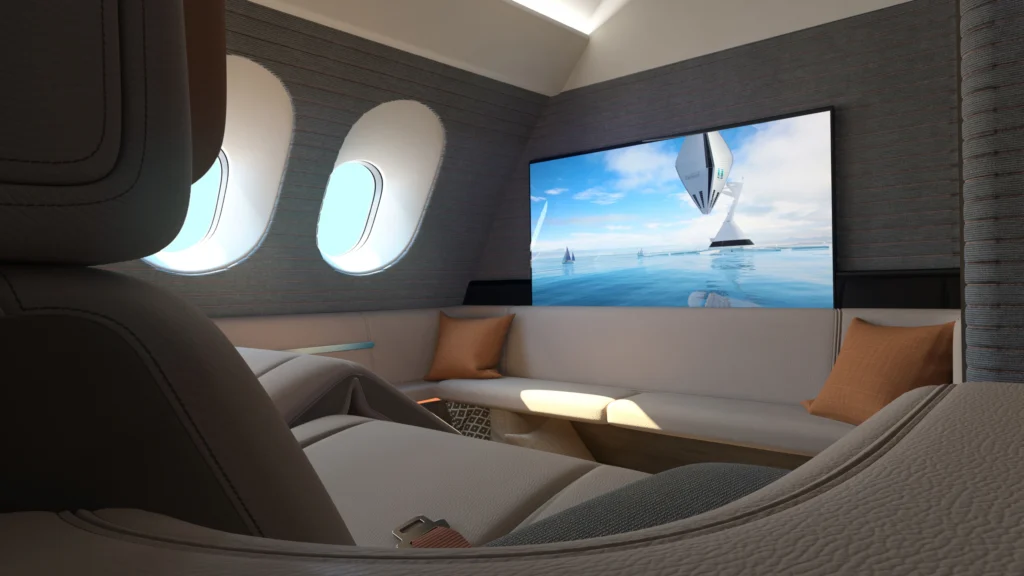
The hospitality industry is undergoing a fundamental transformation. For decades, the primary metrics for success in accommodation were comfort, cleanliness, and location. While these remains essential, they are no longer sufficient to secure a competitive edge. Modern travelers, particularly Millennials and Gen Z, are shifting their spending power away from material goods and toward memorable life experiences. This behavioral shift has birthed a new philosophy in the built environment: experience-driven accommodation design.
In this new era, hotels, resorts, and short-term rentals are no longer just places to sleep. They are curated environments designed to evoke emotion, facilitate connection, and provide a sense of place that cannot be replicated through a standard template. This evolution marks a departure from the “cookie-cutter” international style of the 20th century toward a more nuanced, site-specific, and psychologically aware approach to architecture and interior design.
The Psychology of the Modern Traveler
To understand the shift in design, one must first understand the changing psychology of the guest. The democratization of travel through low-cost carriers and digital booking platforms has made the world more accessible, but it has also led to a certain level of traveler fatigue. When every mid-range hotel lobby looks identical from London to Tokyo, the sense of “travel” is diminished.
Today’s guest seeks authenticity and immersion. They want to feel the pulse of the city or the serenity of the landscape from within their room. Experience-driven design addresses this by treating the accommodation as a storytelling medium. Every design choice—from the texture of the wall finishes to the scent in the ventilation system—serves to reinforce a specific narrative or “vibe” that resonates with the guest’s identity.
Integrating Local Narrative into Architecture
One of the pillars of experience-driven design is the rejection of generic aesthetics in favor of radical localization. Architects are increasingly looking at the historical and cultural context of a site before drawing the first line.
-
Contextual Materiality: Designers are sourcing materials local to the region, such as volcanic rock in Iceland or reclaimed timber from old industrial sites in Brooklyn. This creates a tactile connection between the guest and the geography.
-
Adaptive Reuse: Transforming non-traditional buildings into accommodations—such as former grain silos, churches, or postal offices—provides an inherent story. The “bones” of the building offer a character that new construction often struggles to emulate.
-
Artisanal Collaboration: Moving away from mass-produced furniture, developers are partnering with local craftsmen and artists. This not only supports the local economy but ensures that the guest is surrounded by unique, hand-crafted elements.
The Role of Common Spaces as Social Hubs
The traditional hotel lobby was often a formal, transitional space used primarily for check-ins. In experience-driven design, the lobby is reimagined as a “living room” or a “social engine.” The goal is to blur the lines between locals and travelers.
By incorporating high-end coffee bars, co-working zones, and curated retail spaces, accommodation providers encourage guests to linger. When a traveler sees locals working or socializing in the hotel lobby, it validates the property as a “cool” and authentic part of the neighborhood. This social atmosphere is a designed experience that adds value far beyond the price of the room.
Biophilic Design and Sensory Wellness
As urban environments become more dense and digital lives more taxing, the “experience” guests crave is often one of restoration. This has led to the rise of biophilic design—the practice of connecting building occupants more closely to nature.
-
Natural Light and Air: Strategic use of floor-to-ceiling windows, skylights, and operable walls to bring the outdoors in.
-
Interior Greenery: Living walls and indoor gardens that improve air quality and reduce stress.
-
Sensory Branding: Designing for the ears and nose. Acoustic design that favors soft, ambient sounds over the hum of machinery, and custom-designed scents that trigger positive memories.
Experience-driven design recognizes that wellness is not just about having a gym; it is about an environment that subconsciously lowers cortisol levels through aesthetic harmony.
The Impact of Digital Integration
While the goal is often a “human” experience, technology plays a silent but vital role in modern design. The most successful experience-driven properties use technology to remove friction, allowing the design to take center stage.
Smart room controls that remember a guest’s preferred lighting and temperature settings create a bespoke experience. However, the trend is moving toward “invisible tech.” Rather than cluttered touchscreens, designers are integrating controls into natural materials, such as touch-sensitive wood or fabric, ensuring the technology does not disrupt the visual narrative of the space.
Micro-Accommodations and the “Less is More” Philosophy
A fascinating subset of experience-driven design is the rise of high-end micro-accommodations. Properties like pod hotels or luxury cabins focus on the “essentialized” experience. By reducing the footprint of the sleeping quarters, designers can invest more heavily in the quality of materials and the view.
In these spaces, the experience is defined by precision. Every square inch is optimized, and the “luxury” is found in the cleverness of the engineering and the direct access to nature or the urban heart. This caters to the “minimalist” traveler who values a high-quality, unique environment over sheer square footage.
Sustainability as a Core Experience
Modern design treats sustainability not as a checklist, but as a fundamental part of the guest experience. Travelers today feel a “moral resonance” when they stay in a property that aligns with their values.
Designers are moving toward circular economy principles. This includes using carbon-sequestering materials like cross-laminated timber (CLT) and designing for disassembly. When a guest understands that the water they use is recycled for the hotel’s gardens, or that the building produces its own energy via integrated solar facades, it becomes a talking point—a part of the story they tell about their trip.
The Future: Personalization Through AI and Generative Design
Looking forward, the next frontier of experience-driven design involves generative architecture. Using AI, architects can simulate how light, sound, and people move through a space to optimize for “happiness” or “serendipity.”
We may see “fluid” spaces where modular walls and furniture allow an accommodation to change its layout based on the guest’s specific needs—transforming from a professional office during the day to a meditation retreat at night. The ultimate experience-driven design is one that adapts to the individual in real-time.
Frequently Asked Questions
How does experience-driven design differ from luxury design?
Luxury design traditionally focuses on opulence, high-cost materials, and exclusive service. Experience-driven design focuses on emotional resonance and storytelling. A property can be experience-driven without being expensive; for example, a rustic yurt designed to maximize the view of the stars is experience-driven, even if it lacks the gold-plated fixtures of a traditional luxury hotel.
What is the “Instagrammability” factor in modern accommodation design?
While often criticized, designing for social media is a legitimate part of experience-driven design. It involves creating “visual moments”—unique architectural features or art installations—that encourage guests to document and share their stay. This serves as organic marketing and reinforces the property’s status as a unique destination.
Does this design trend apply to business hotels as well?
Yes. Business travelers are increasingly seeking “bleisure” (business + leisure) experiences. Modern business hotels are moving away from sterile environments toward designs that offer high-speed connectivity within a more relaxed, residential-style atmosphere to reduce the stress of travel.
How do designers balance “local feel” with global brand standards?
International brands use “soft branding” or “lifestyle collections.” This allows the corporate entity to handle the backend operations while giving local designers the freedom to create a unique aesthetic for each property, ensuring the guest gets the reliability of a global brand with the soul of a boutique hotel.
What role does lighting play in experience-driven spaces?
Lighting is perhaps the most powerful tool for emotional manipulation in design. Designers use “circadian lighting” systems that change color temperature throughout the day to match human biological rhythms, helping guests overcome jet lag and feel more energized or relaxed as needed.
Is experience-driven design more expensive to implement?
Initially, yes, because it often requires bespoke furniture and non-standard architectural solutions. However, these properties typically command higher nightly rates and see greater guest loyalty, leading to a higher return on investment over the long term compared to generic designs.
Can experience-driven design be retrofitted into older buildings?
Absolutely. In fact, some of the most successful examples are retrofits. By stripping away years of generic renovations to reveal original brickwork, steel beams, or historical layouts, designers can create a “layered” experience that feels both historic and contemporary.