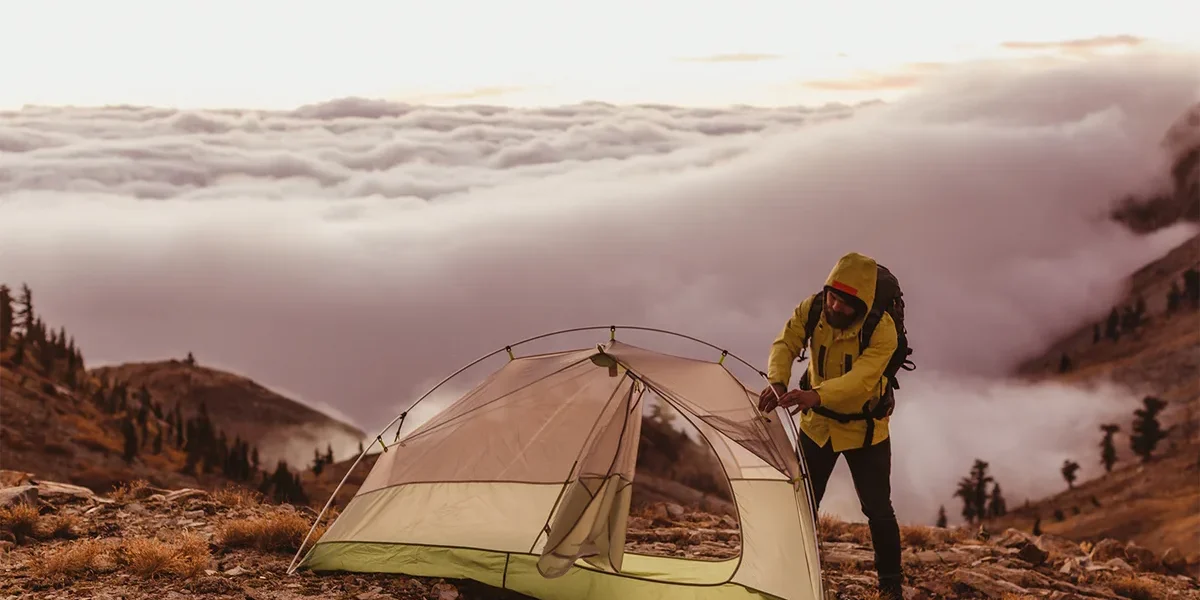

In an era defined by constant digital connectivity and the rapid pace of urban life, the concept of being present has become a sought-after luxury. Most people spend their days navigating a barrage of notifications, deadlines, and multi-tasking demands that fracture the attention span. This fragmentation of focus leads to a state of being physically present but mentally elsewhere. To combat this, many individuals turn to camping as a corrective measure. Beyond the simple pleasure of a weekend getaway, camping serves as a powerful psychological tool that strips away the distractions of modern life, forcing a return to a deeper, more visceral state of presence.
Presence is more than just a lack of distraction. It is a harmonious state where the mind and body are synchronized with the immediate environment. When you are camping, the barriers between the self and the natural world are thinned. The requirements of survival, the rhythm of natural light, and the tactile nature of outdoor tasks conspire to ground the individual in the here and now. Understanding why this happens requires a look into human biology, the psychology of attention, and the restorative power of the wilderness.
The Decoupling from Digital Noise
The most immediate catalyst for presence while camping is the forced decoupling from the digital world. Modern life is built on a foundation of asynchronous communication and infinite scrolling, both of which are designed to keep the mind in a state of perpetual anticipation. When you enter a wilderness area with limited or no cellular service, that loop is broken.
Without the phantom vibration of a smartphone, the brain undergoes a period of neurochemical recalibration. The constant hits of dopamine associated with social media likes or breaking news alerts subside. Initially, this might feel like boredom or anxiety, but it soon gives way to a heightened awareness of the immediate surroundings. You stop looking at the world as a background for a photograph and start experiencing it as a primary reality. This transition is essential for true presence because it allows the internal monologue to quiet down, making room for sensory input that is usually filtered out.
The Synchronization of Circadian Rhythms
In the city, artificial light has effectively neutralized the distinction between day and night. We work late under LEDs and stare at blue-light emitting screens until minutes before sleep. This disconnects us from our biological clock, or circadian rhythm, leading to a persistent state of low-level fatigue and mental fog.
Camping restores this connection. When your primary light source is the sun, and your secondary source is the amber glow of a campfire, your body naturally aligns with the environment. As the sun sets, the brain begins to produce melatonin in a way that is rarely achieved in modern homes. Waking up with the dawn light triggers a natural cortisol spike that promotes alertness without the jarring intervention of an alarm clock. This biological alignment creates a sense of presence because you are functioning in harmony with the natural world rather than fighting against it. You become acutely aware of the movement of the sun, the cooling of the air at dusk, and the subtle shifts in the landscape as night falls.
Tactile Engagement and Survival Tasks
One of the most profound ways camping fosters presence is through the necessity of manual labor. In daily life, most of our needs are met through high-level abstractions—pressing a button for heat, turning a tap for water, or ordering food via an app. These conveniences, while efficient, distance us from the physical reality of our existence.
Camping reverses this abstraction. If you want warmth, you must gather wood, prep the tinder, and carefully manage a flame. If you want a place to sleep, you must physically clear the ground and pitch a tent. These tasks require total concentration and physical coordination.
-
Fire Building: This task demands focus on wind direction, wood moisture, and oxygen flow. It is a meditative process that rewards patience and punishes distraction.
-
Navigation: Whether using a map and compass or following a trail, you must remain observant of landmarks and topography, which anchors you to your physical location.
-
Meal Preparation: Cooking over a camp stove or fire is slower and more involved than using a microwave. It forces you to engage with the ingredients and the heat source in a deliberate way.
These tactile experiences ground the mind in the body. When you are physically engaged in the process of maintaining your comfort and safety, there is no room for ruminating on past regrets or future anxieties. The present moment becomes the only moment that matters.
The Soft Fascination of Nature
Psychologists often refer to Attention Restoration Theory (ART) to explain why nature is so effective at clearing mental fatigue. Modern life requires directed attention—the kind of focused, effortful concentration needed for work or driving in traffic. This resource is finite and easily depleted.
Nature provides what is known as soft fascination. The movement of leaves in the breeze, the flow of water over stones, or the flickering of a flame are stimuli that capture the attention without requiring effort. This allows the directed attention mechanism to rest and recover. While camping, your mind drifts into a state of relaxed alertness. You aren’t forcing yourself to focus; instead, you are gently pulled into the environment. This state of soft fascination is a cornerstone of presence, as it allows for a sense of awe and wonder that is often missing from the structured routines of the city.
Sensory Heightening in the Wilderness
In an urban environment, our senses are often overwhelmed or blunted. We tune out the hum of traffic, the smell of exhaust, and the visual clutter of advertisements. Camping offers a sensory palate cleanser. In the relative silence of the woods or the desert, your hearing becomes more acute. You begin to distinguish between the rustle of a squirrel in the underbrush and the snap of a branch under a larger animal.
The sense of smell also becomes more prominent. The scent of pine needles, damp earth after rain, or the dry heat of desert sage provides a rich, olfactory map of the environment. Because these scents are tied to the immediate location, they reinforce the feeling of being here. This sensory heightening acts as an anchor, making it difficult for the mind to wander far from the physical body.
The Perspective of Scale
Finally, camping provides a sense of presence through the realization of scale. Standing under a truly dark sky, free from light pollution, and seeing the density of the Milky Way is a humbling experience. It provides a perspective that is impossible to find among skyscrapers.
This sense of being small in a vast, ancient landscape has a paradoxical effect on presence. It minimizes the perceived importance of our personal problems and anxieties, which are often the main drivers of mental wandering. When you realize you are part of a massive, indifferent, and beautiful ecosystem, the ego quietens. This reduction of the self allows for a deeper immersion in the surrounding world. You aren’t just an observer of the woods; you are a temporary participant in them.
Conclusion
Camping is far more than a recreational activity; it is an intentional practice of presence. By removing digital distractions, realigning our biological clocks, and engaging in tactile survival tasks, we reclaim our attention from the forces that seek to fragment it. The wilderness doesn’t just offer a place to stay; it offers a way to be. Whether it is through the soft fascination of a mountain view or the disciplined focus of building a fire, camping reminds us that the most profound experiences are found not in the digital ether, but in the dirt, the wind, and the quiet moments of the natural world.
Frequently Asked Questions
Does camping still provide a sense of presence if I use an RV?
While RV camping provides more comforts, it still fosters presence by placing you in a natural setting and removing many daily routines. However, tent camping or backpacking typically offers a deeper sense of presence because the lack of physical barriers between you and the environment increases sensory engagement and the need for tactile tasks.
How long does it usually take for the digital detox effect to kick in?
For most people, the first 24 hours involve a period of adjustment where they may instinctively reach for their phones. By the second or third day, the brain typically begins to settle into the new pace, and the constant urge for digital stimulation subsides, allowing for deeper immersion.
Can I achieve this same sense of presence in a local park?
While local parks offer benefits, the presence achieved through camping is unique because of the overnight component. Staying in nature through the transition of dusk, night, and dawn allows for the synchronization of circadian rhythms and a level of isolation that a day trip cannot replicate.
What if I am afraid of the dark or the wilderness? Does that ruin the presence?
Actually, a certain level of healthy respect or slight fear can heighten presence. It keeps you alert and focused on your surroundings. As you gain experience and realize you can manage your environment, that fear turns into a sense of competence and confidence, which further grounds you in the moment.
Is it necessary to go alone to feel this sense of presence?
Not necessarily. Camping with others can create a shared sense of presence through collective tasks and conversation free from screens. However, solo camping removes the social layer, which can lead to a more introspective and intense connection with the environment.
How does weather affect the psychological benefits of camping?
Inclement weather can actually increase presence. Dealing with rain or cold requires even more focus on your gear, your shelter, and your physical state. Overcoming the challenges of the elements often leads to a greater sense of accomplishment and a more vivid memory of the experience.
What is the best way to maintain this sense of presence after returning home?
To bring the presence of the campsite back to daily life, try to implement small rituals, such as eating without a screen, spending time outdoors during dawn or dusk, or engaging in tactile hobbies that require directed focus. The goal is to remember that presence is a skill that can be practiced anywhere.