

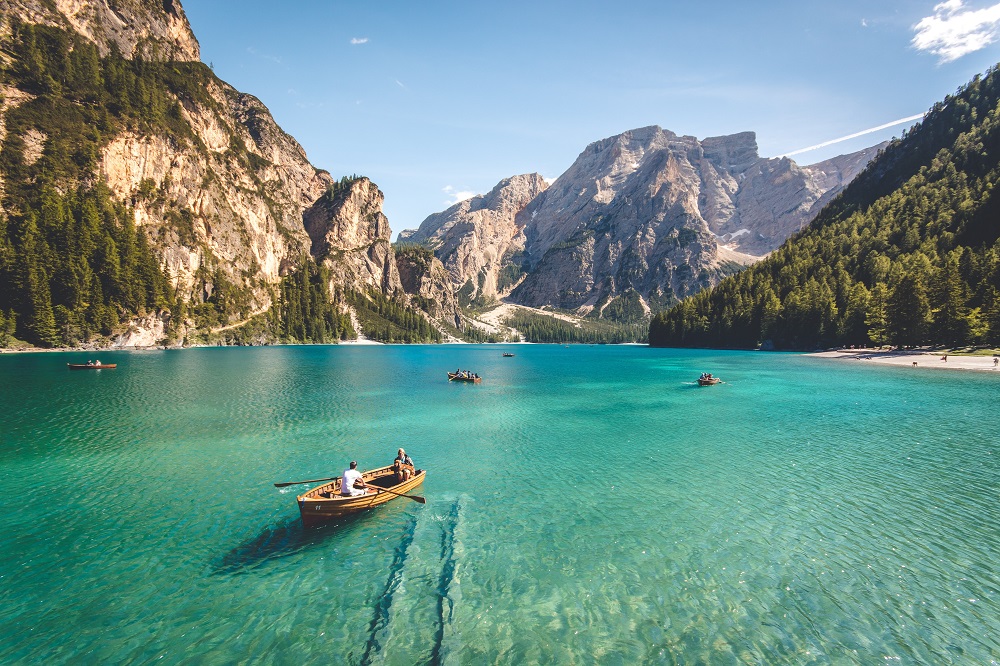
Travel is often described as the only thing you can buy that makes you richer. While this may sound like a simple aphorism, it captures a fundamental truth about the human experience. Beyond the mere act of moving from one geographic coordinate to another, travel serves as a powerful catalyst for personal growth, cultural empathy, and cognitive flexibility. In our increasingly interconnected world, the nature of travel is shifting from passive sightseeing toward active immersion, where the goal is not just to see a place, but to understand its rhythm, its challenges, and its history.
The global travel industry has undergone a radical transformation over the last few decades. The democratization of flight, the rise of the digital nomad, and the proliferation of information have made the most remote corners of the planet accessible to anyone with a passport and a sense of curiosity. However, with this accessibility comes a new responsibility. As we navigate the globe, we are forced to confront the balance between our desire for exploration and the necessity of preserving the environments and cultures we visit. This article explores the multifaceted dimensions of modern travel, from its psychological benefits to the evolving ethics of global mobility.
The Psychological and Cognitive Benefits of Exploration
Research in social psychology has consistently shown that travel has a profound impact on the human brain. When we leave our familiar environments, our brains are forced out of autopilot mode. Every mundane task—ordering a coffee, navigating a transit system, or interpreting social cues—requires conscious effort. This mental exertion strengthens neural pathways and fosters a state of cognitive plasticity.
One of the most significant benefits of travel is the reduction of the “us versus them” mentality. By interacting with people whose lives are fundamentally different from our own, we break down the stereotypes and biases that are often reinforced by media and geographic isolation. This exposure fosters a sense of global citizenship. Travelers often find that despite differences in language, religion, or tradition, the core human desires for safety, family, and purpose remain universal. This realization is the cornerstone of international diplomacy and social harmony.
The Shift Toward Intentional and Slow Travel
In recent years, a movement known as slow travel has gained significant momentum. This philosophy is a reaction against the “checklist” style of tourism, where travelers rush through ten cities in ten days, capturing photos but gaining little insight. Slow travel encourages staying in one location for an extended period, favoring local trains over short-haul flights and home-cooked meals over tourist-trap restaurants.
Slow travel is not just about the pace of movement; it is about the depth of engagement. By spending a week in a single neighborhood, a traveler begins to recognize the local baker, understands the nuances of the regional dialect, and discovers the small, uncelebrated landmarks that define a community. This approach reduces the environmental footprint of a trip and ensures that the economic benefits of tourism are distributed more directly to local residents rather than large international hotel chains.
The Rise of Sustainable and Regenerative Tourism
As the environmental impact of global travel becomes more apparent, the industry is moving beyond the concept of “sustainability” toward “regenerative” tourism. While sustainability aims to minimize harm, regenerative tourism seeks to leave a destination better than it was found. This is a crucial distinction in an era of over-tourism and climate volatility.
-
Carbon Offsetting and Reduction: Many travelers are now prioritizing direct flights to reduce take-off emissions and supporting verified carbon-sequestering projects.
-
Supporting Local Biodiversity: Regenerative travel often involves participating in local conservation efforts, such as reforestation projects or marine protection initiatives.
-
Cultural Preservation: By choosing experiences that celebrate and fund the restoration of historical sites or traditional crafts, travelers help ensure that cultural heritage is not lost to modernization.
This shift requires a change in mindset. It asks the traveler to view themselves as a guest with a duty of care, rather than a consumer with a right to service. This ethical framework is essential for the long-term viability of the world’s most beautiful and fragile destinations.
The Digital Nomad and the Future of Work-Life Integration
The traditional boundary between “work” and “travel” has been blurred by the rise of the digital nomad. Enabled by high-speed internet and a global shift toward remote work, millions of professionals are now choosing to live as perpetual travelers. This trend has led to the development of specialized infrastructure, from co-living spaces in Bali to digital nomad visas in countries like Portugal and Costa Rica.
However, the digital nomad lifestyle is not without its complexities. While it offers unparalleled freedom, it also raises questions about local housing markets and social integration. When high-earning remote workers move to lower-cost regions, they can inadvertently drive up the cost of living for locals. Responsible nomads are now finding ways to mitigate this by paying local taxes, engaging in community volunteer work, and supporting local businesses rather than relying solely on global delivery platforms.
Navigating the Logistics of Modern Travel
Despite the romanticism of the journey, the logistics of travel remain a significant hurdle for many. Successful travel in the 21st century requires a high level of digital literacy and preparation. From managing digital health certificates and visas to understanding the fluctuating costs of the sharing economy, the modern traveler must be an expert researcher.
Safety and health remain paramount concerns. Traveling with comprehensive insurance is no longer optional; it is a fundamental requirement. Furthermore, the modern traveler must stay informed about the geopolitical climate of their destination. The ease of booking a trip online can sometimes mask the reality of local conditions, making it essential to consult multiple sources of information before departure.
The Value of the Unplanned Moment
While planning is necessary, the most memorable travel experiences often occur in the gaps between scheduled activities. The “serendipity of the road” is a phenomenon where a missed train leads to a meaningful conversation with a stranger, or a wrong turn results in the discovery of a hidden waterfall.
Over-planning can stifle the very thing that makes travel exciting: the unknown. The most seasoned travelers often leave at least one day of their itinerary completely blank, allowing the destination to dictate the experience. This willingness to embrace uncertainty is perhaps the greatest lesson travel can teach us. It builds resilience and a sense of humor in the face of adversity, qualities that are just as valuable at home as they are abroad.
Conclusion
Travel is more than a diversion; it is a fundamental human drive to explore and understand the world. Whether through a high-adrenaline adventure or a quiet retreat in the countryside, the act of stepping outside our comfort zone provides a perspective that cannot be gained any other way. As we move forward, the challenge will be to travel with greater intention, ensuring that our curiosity does not come at the expense of the places we love. By embracing slow travel, regenerative practices, and a spirit of genuine inquiry, we can continue to experience the transformative power of the journey for generations to come.
Frequently Asked Questions
What is the best way to handle money while traveling internationally?
It is generally best to use a combination of methods. Carry a small amount of local currency for immediate needs like taxis or small shops. For most purchases, use a credit card with no foreign transaction fees, as these offer the best exchange rates and better fraud protection. Always notify your bank of your travel dates to prevent your cards from being flagged for suspicious activity.
How can I find authentic local food without falling for tourist traps?
Look for restaurants that do not have pictures of food on the menu and are located at least two blocks away from major landmarks. If you see a place crowded with locals rather than people with suitcases, it is usually a good sign. Additionally, exploring local food markets in the morning is a great way to see what ingredients are in season and popular in the region.
Is travel insurance really necessary for short trips?
Yes. Travel insurance covers much more than just medical emergencies. It can protect you against trip cancellations, lost luggage, and travel delays. A small investment in insurance can save you thousands of dollars if an unexpected event occurs, regardless of the trip’s duration.
How can I minimize my plastic waste while traveling?
Carry a reusable water bottle with a built-in filter, which allows you to safely drink tap water in most countries. Bring your own reusable shopping bag and a set of bamboo or metal travel utensils. Many hotels now offer refillable toiletries, but bringing your own solid shampoo and soap bars can also significantly reduce plastic waste.
What are the most important documents to have copies of?
You should have digital and physical copies of your passport, visa, travel insurance policy, and vaccination records. It is also wise to have a copy of your itinerary and emergency contact numbers. Store the digital copies in a secure, encrypted cloud folder that you can access from any device.
How do I deal with jet lag effectively?
The most effective way to combat jet lag is to align yourself with the local time zone as soon as you board the plane. Avoid caffeine and alcohol during the flight, and stay hydrated. Once you arrive, spend as much time as possible in natural sunlight during the day, and try to stay awake until at least 9:00 PM local time.
What is the “sharing economy” in travel, and how does it work?
The sharing economy refers to platforms that allow individuals to rent out their assets or services directly to travelers. This includes house-sharing services, ride-sharing apps, and platforms where locals offer guided tours or home-cooked meals. It often provides a more personal and cost-effective alternative to traditional hotels and tour operators.