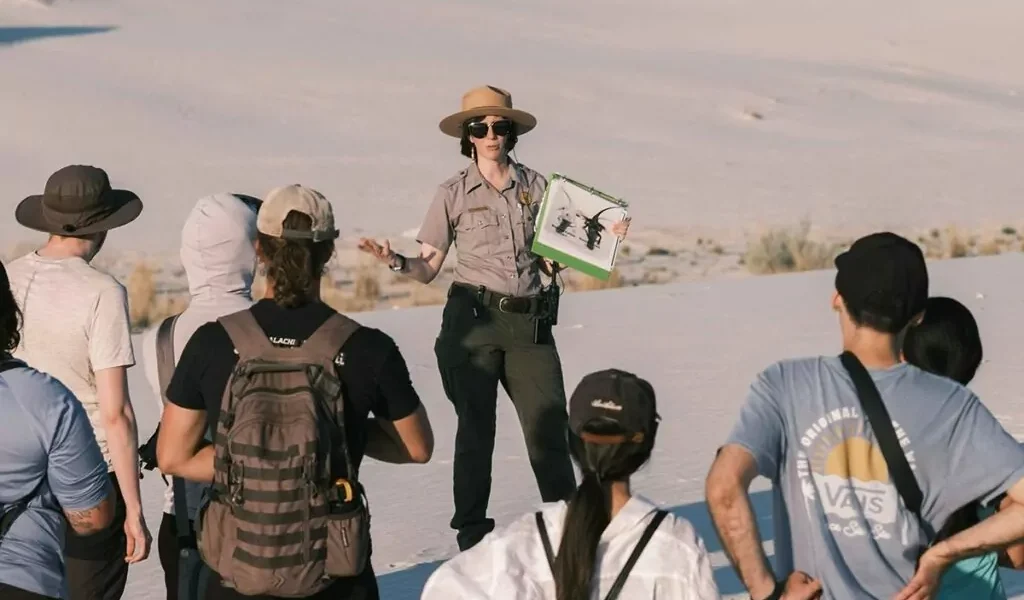

In an era where digital maps and travel apps provide instant access to information, the role of the professional tour guide has evolved from a mere source of facts into a vital cultural ambassador and logistical expert. While technology can provide the history of a monument or the location of a restaurant, it cannot replicate the nuance, storytelling, and emotional connection that a human guide brings to an experience. A tour guide serves as the bridge between a traveler and an unfamiliar environment, transforming a standard sightseeing trip into a profound journey of discovery.
The profession of tour guiding is a complex discipline that requires a unique blend of historical knowledge, public speaking skills, crisis management, and emotional intelligence. Whether leading an expedition through the rugged terrain of a national park or navigating the crowded corridors of a world-class museum, the guide is responsible for the safety, education, and entertainment of their guests. This article explores the multifaceted nature of tour guiding, the skills required for the profession, and why the human element remains irreplaceable in the global travel industry.
The Pillars of Professional Tour Guiding
To understand the impact of a tour guide, one must look at the various roles they fulfill simultaneously during a single tour. A successful guide is never just a narrator; they are a conductor of experiences.
-
Storytelling and Interpretation: The primary duty of a guide is to provide context. A pile of stones in an archaeological site remains just a pile of stones until a guide interprets the architecture, explains the daily lives of the people who lived there, and weaves a narrative that brings the past to life.
-
Logistics and Time Management: Behind every seamless tour is a rigorous schedule. Guides manage transportation, coordinate with local vendors, and ensure that the group remains on track to see the highlights without feeling rushed.
-
Safety and Risk Management: Especially in adventure or nature-based tourism, the guide is the primary safety officer. They must be trained in first aid, understand local weather patterns, and be able to make split-second decisions to protect the group from environmental hazards.
-
Conflict Resolution: In group travel, personalities can clash. A guide acts as a mediator, ensuring that the group dynamic remains positive and that every guest feels heard and valued regardless of their background or expectations.
The Evolution from Information to Curation
Historically, the value of a tour guide was based on their access to information that was otherwise difficult to find. Before the internet, a guide was a walking encyclopedia. Today, because information is ubiquitous, the value has shifted to curation. The modern guide filters out the noise, focusing on the most relevant, accurate, and engaging pieces of information for their specific audience.
This curation extends to the “hidden gems” of a destination. While social media often drives crowds to a few specific “Instagrammable” spots, a professional guide knows the quiet alleyways, the authentic local eateries, and the historical anecdotes that have not yet been digitized. By steering travelers away from the generic and toward the authentic, guides help preserve the integrity of local cultures while providing a superior product for the traveler.
The Psychological Impact of Personal Connection
One of the most overlooked aspects of tour guiding is the emotional labor involved. A guide often spends several days with a group, becoming a confidant and a friend. This personal connection is what often makes a trip memorable. Travelers may forget the specific date a cathedral was built, but they will never forget the passion with which their guide spoke about the community that built it.
Professional guides are trained in the art of reading a room. They can sense when a group is tired and needs a coffee break, or when a specific topic has sparked deep curiosity and warrants more time. This adaptability is something AI and pre-recorded audio tours cannot achieve. The ability to pivot the content based on real-time human feedback is the hallmark of a high-quality guided experience.
Specialized Types of Tour Guiding
The industry is divided into several specialized niches, each requiring a different set of certifications and expertise.
Heritage and Historical Guides: These professionals often work in urban centers or at specific monuments. They usually possess advanced degrees in history or art and are certified by local municipal boards. Their focus is on accuracy, preservation, and educational depth.
Adventure and Wilderness Guides: These guides operate in remote areas. Their expertise is technical, involving skills like mountaineering, kayaking, or wildlife tracking. For these professionals, environmental stewardship and survival skills are just as important as their knowledge of the landscape.
Culinary and Craft Guides: A rapidly growing sector, these guides focus on the sensory experiences of a destination. They lead guests through markets, kitchens, and workshops, providing insight into the traditional methods of food production and artisanal craftsmanship.
The Economic Importance of Local Guides
Employing local tour guides is a cornerstone of sustainable tourism. When a traveler hires a local guide, a significant portion of their travel spend stays within the local community. Local guides have a vested interest in the long-term health of their home, making them natural advocates for environmental protection and cultural preservation.
Furthermore, local guides act as a shield against the “tourist bubble.” They facilitate respectful interactions between visitors and residents, ensuring that the presence of tourism is a benefit rather than a burden to the neighborhood. By explaining local customs and etiquette, guides prevent the inadvertent disrespect that can occur when travelers are unfamiliar with local social norms.
The Challenges of the Guiding Profession
Despite the romantic image of traveling for a living, the profession is physically and mentally demanding. Guides often work long hours, standing and walking for the majority of the day while maintaining a high-energy persona. They must remain calm under pressure, whether dealing with a lost passport, a medical emergency, or a sudden change in transportation schedules.
Seasonality is also a major challenge. Many guides rely on a few peak months of income to sustain them through the off-season. This requires disciplined financial planning and often necessitates having a diverse set of skills to remain employed year-round. However, for those with a passion for people and places, the rewards of sharing one’s heritage with the world far outweigh the difficulties.
Conclusion
The professional tour guide remains the heart of the travel industry. As the world becomes more connected yet more digitally isolated, the need for human interpretation and authentic connection grows. A great guide does not just show a traveler where to look; they show them how to see. They transform a vacation into an education, a site into a story, and a stranger into a friend. As we look to the future of travel, the investment in high-quality, human-led guiding will continue to be the primary differentiator between a trip that is merely seen and a trip that is truly experienced.
Frequently Asked Questions
What is the difference between a tour guide and a tour manager?
A tour guide is typically an expert on a specific location or subject and provides detailed commentary on the sites visited. A tour manager (or tour director) is responsible for the overall logistics of a multi-day trip, such as checking into hotels, managing the budget, and coordinating transportation between different cities. Often, a tour manager will hire local guides at each stop.
Are there official certifications for tour guides in the United States?
While there is no single federal license, many major cities like New York, Washington D.C., and New Orleans require guides to pass an exam and obtain a municipal license. Additionally, organizations like the National Association for Interpretation (NAI) and the World Federation of Tourist Guide Associations (WFTGA) offer professional certifications that are highly regarded in the industry.
How much should I tip a tour guide?
Tipping practices vary by country, but in the United States, a standard tip is typically 10% to 20% of the tour price. For free or “pay-what-you-wish” tours, a common baseline is $10 to $20 per person. If the guide provided exceptional service or handled a difficult situation well, a higher tip is a meaningful way to show appreciation.
How can I verify if a tour guide is reputable before booking?
Check for memberships in professional organizations and read reviews on multiple platforms. A reputable guide will be transparent about their credentials and what is included in the tour price. Many independent guides also have social media profiles or websites where you can get a sense of their personality and guiding style before committing.
Do tour guides provide their own transportation for private tours?
It depends on the agreement. Some guides are “driver-guides” who own a licensed commercial vehicle. Others may meet you at your hotel and use public transportation, or they may arrange for a separate professional driver. Always clarify the transportation arrangements and whether the cost is included in the initial quote.
Can a tour guide help with accessibility needs?
Yes, professional guides are often excellent at adapting tours for guests with mobility, visual, or hearing impairments. If you notify a guide in advance, they can vet the route for wheelchair accessibility, arrange for quiet spaces, or adjust the pace of the tour to ensure everyone in the group has a comfortable and inclusive experience.
Why are some tours advertised as “certified sustainable”?
Certified sustainable tours follow specific guidelines to minimize their environmental impact and maximize the benefit to the local community. This might involve using low-emission transportation, avoiding single-use plastics, and ensuring that all activities respect local wildlife and cultural sites. Choosing a certified guide is a great way to ensure your travel has a positive footprint.